


Heavy-Duty Gooseneck Trailers for Sale
Shop dependable gooseneck trailers for sale at TrailerWorld.
Gooseneck trailers connect to a properly installed hitch in the bed of a
pickup truck and are commonly selected for heavy equipment, vehicles,
agricultural machinery, construction materials and commercial loads.
Browse gooseneck equipment trailers, flatbed trailers, deckover trailers,
enclosed gooseneck trailers and heavy-duty tandem or triple-axle models.
Compare trailer length, GVWR, payload capacity, axle ratings, deck design,
ramp systems and available accessories before choosing the right trailer.
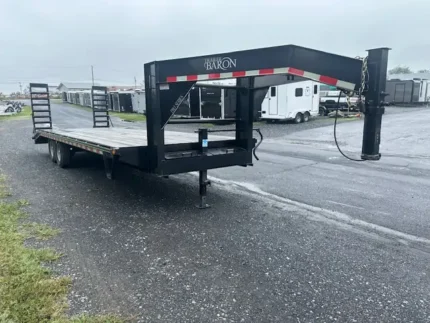
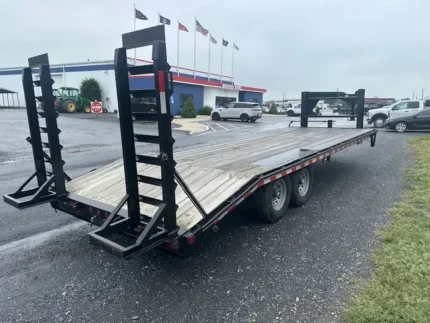
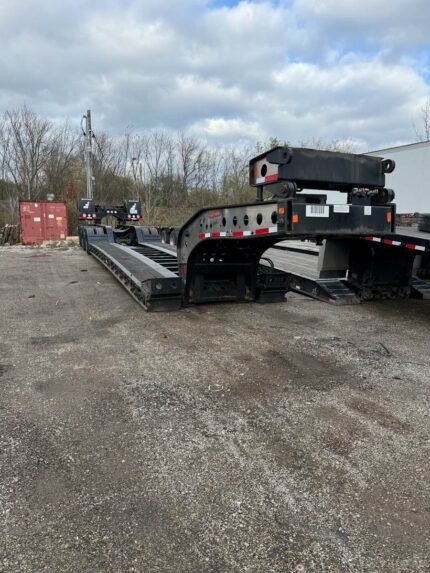
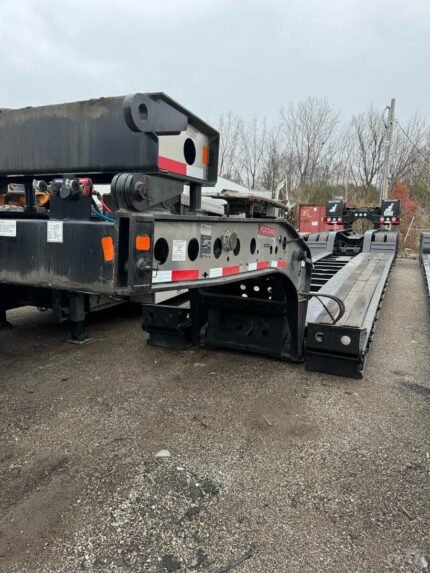
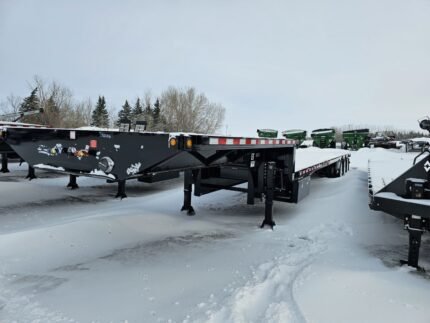
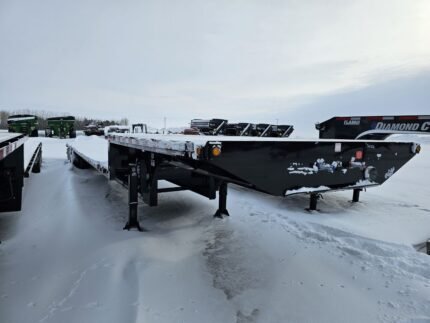
2024 Behnke OTR 53ft Gooseneck Equipment Trailer
Original price was: $51,000.00.$45,999.00Current price is: $45,999.00.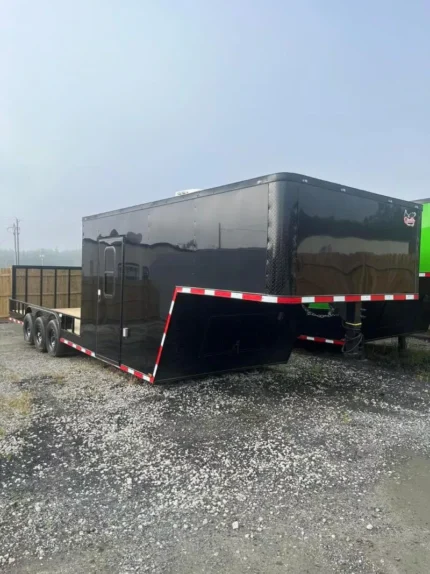
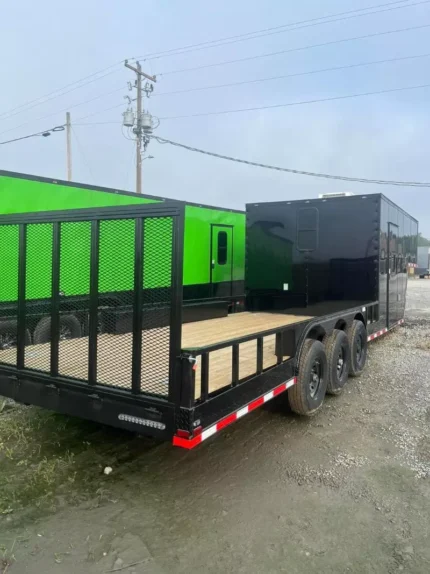
2024 Quality Cargo Gooseneck Hybrid Enclosed Trailer 8.5×34 TTA5
Original price was: $23,500.00.$21,000.00Current price is: $21,000.00.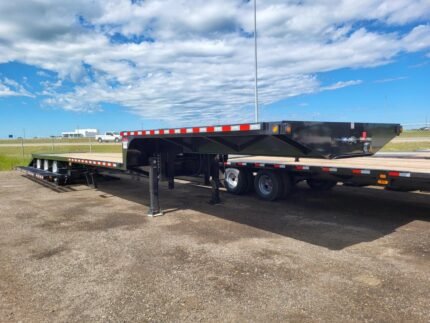
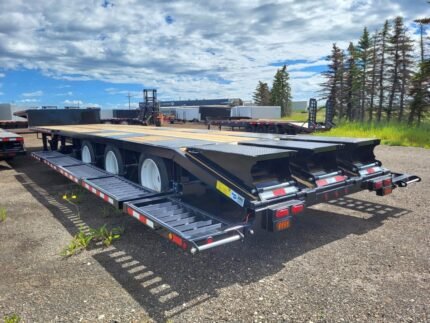
2025 Behnke Fifth Wheel High Clearance Sprayer Trailer – 80K GVWR
Original price was: $52,000.00.$45,000.00Current price is: $45,000.00.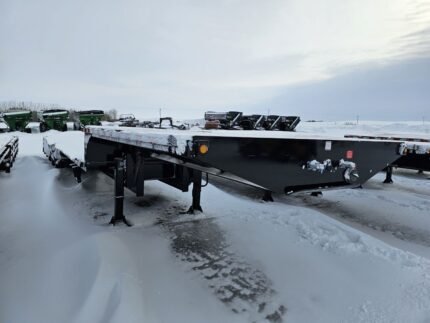
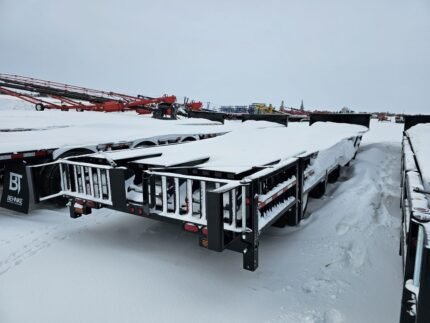
2025 Behnke STX 53ft Semi Equipment Trailer – 25,000 lb Capacity
Original price was: $51,000.00.$42,500.00Current price is: $42,500.00.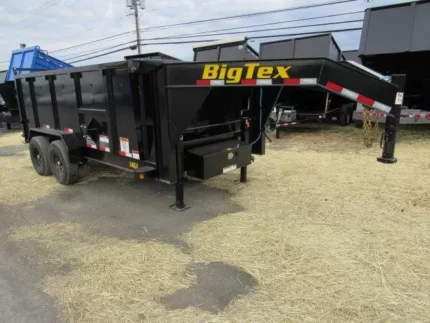
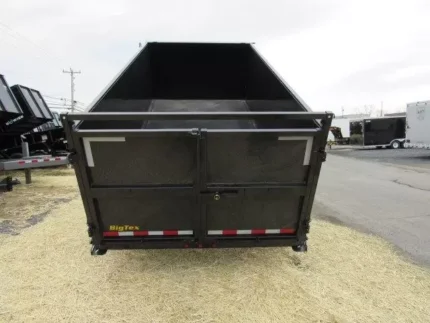
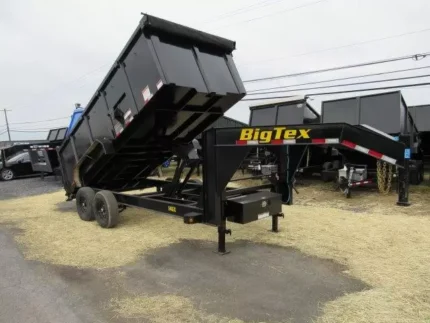
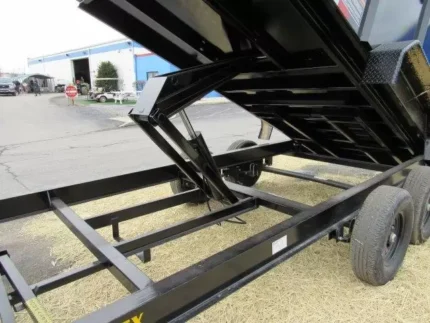
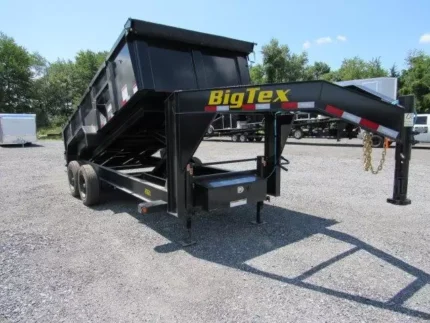
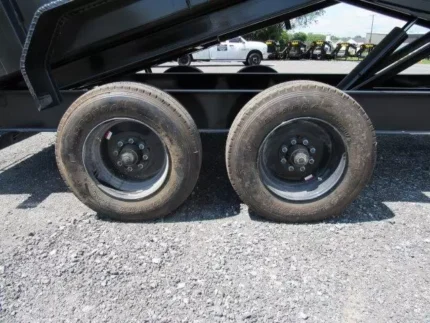
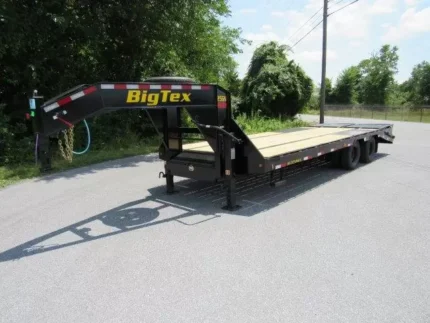
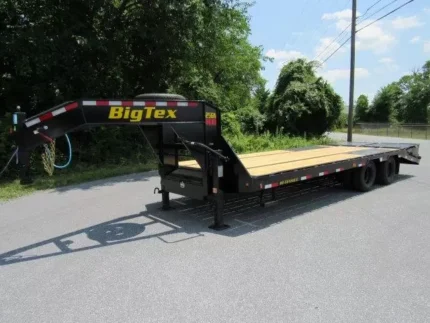
Big Tex 8.5 x 25 Heavy Duty Gooseneck Equipment Trailer
Original price was: $19,499.00.$15,499.00Current price is: $15,499.00.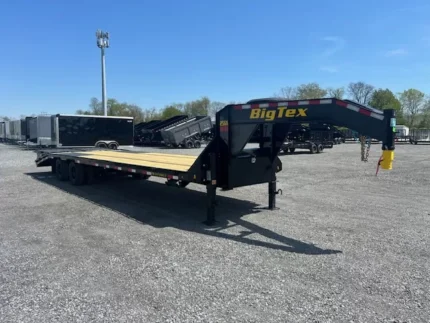
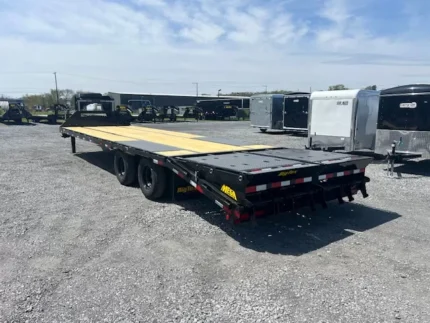
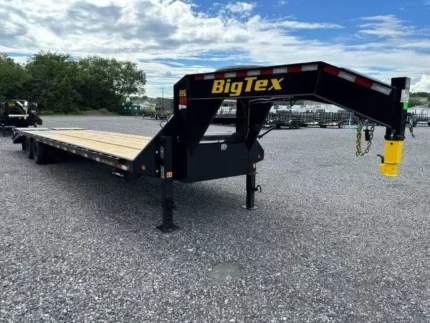
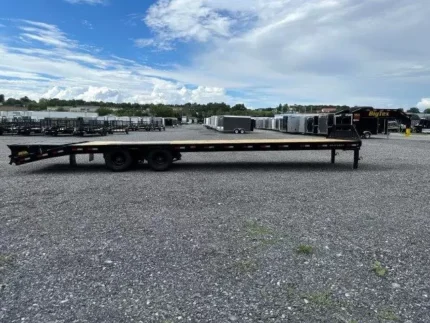
Big Tex 8.5 x 35 Gooseneck Deckover Equipment Trailer – Mega Ramps
Original price was: $16,499.00.$14,499.00Current price is: $14,499.00.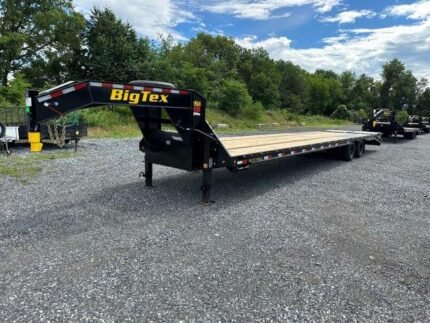
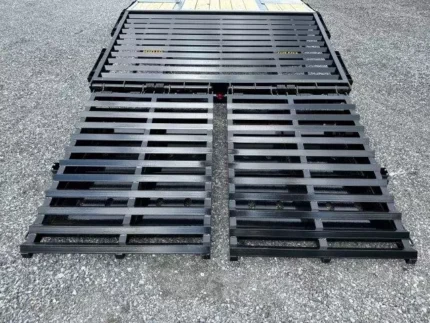
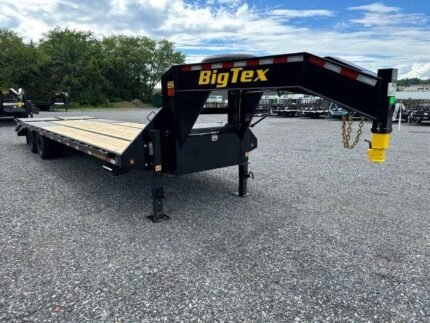
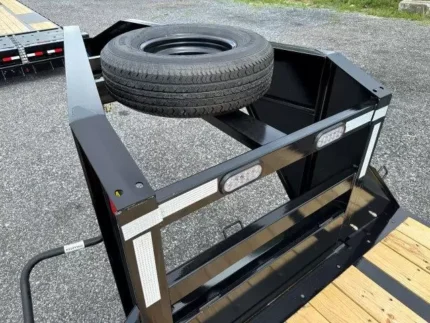
Big Tex 8.5×30 Gooseneck Deckover Equipment Trailer – Mega Ramps
Original price was: $12,499.00.$10,099.00Current price is: $10,099.00.Big Tex 8.5×30 Gooseneck Deckover Equipment Trailer with Mega Ramps
Original price was: $12,499.00.$11,499.00Current price is: $11,499.00.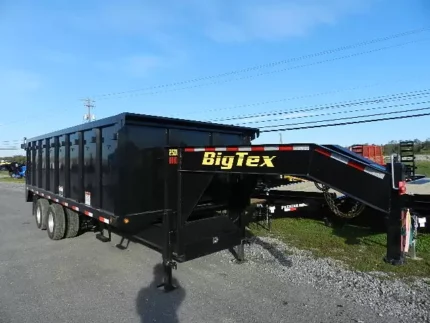
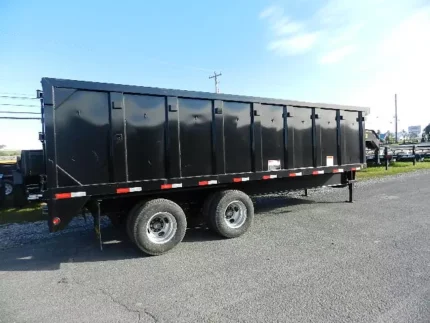
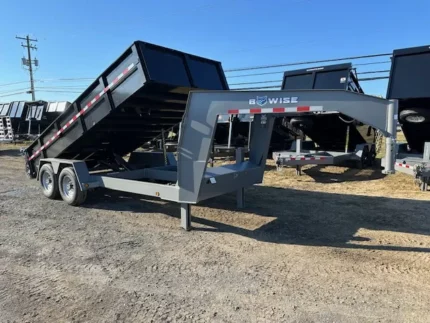
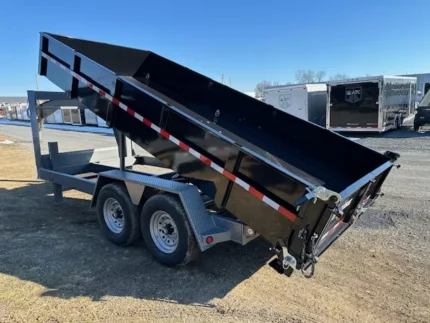
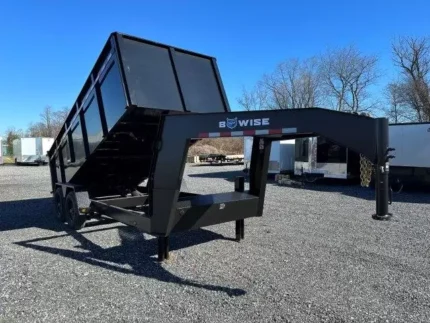
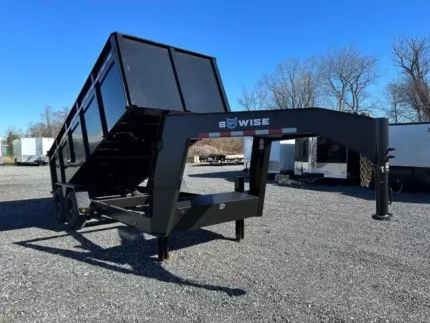
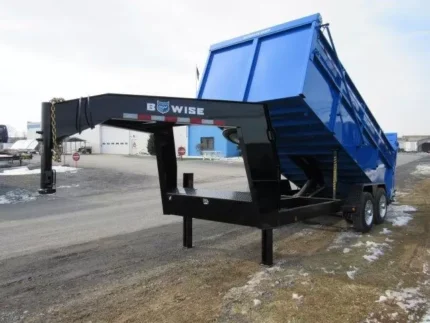
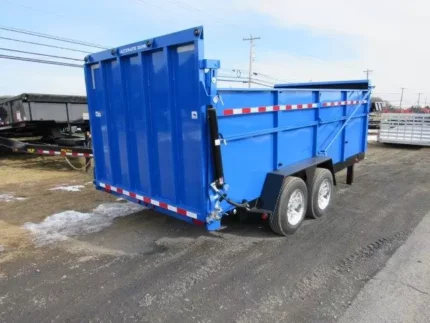
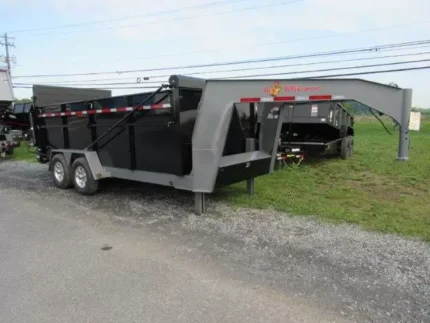
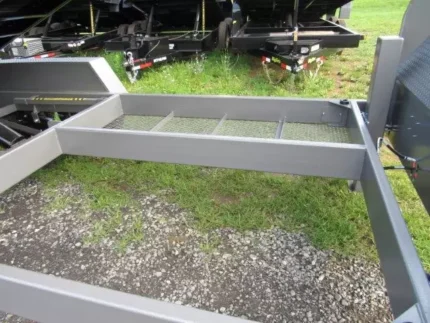
BWise 7 x 16 Heavy Duty Gooseneck Dump Ultimate Dump Trailer
Original price was: $16,499.00.$14,000.00Current price is: $14,000.00.Gooseneck Trailers Built for Heavy-Duty Hauling
Gooseneck trailers are designed for demanding hauling applications that
often require greater deck space, higher weight ratings and improved load
stability. Unlike a bumper pull trailer, a gooseneck trailer connects to
a hitch mounted inside the bed of a properly equipped pickup truck.
TrailerWorld helps contractors, farmers, equipment operators, vehicle
transporters and commercial businesses compare
gooseneck trailers for sale for construction,
agriculture, machinery transport and general heavy hauling.
Available models may include gooseneck equipment trailers, flatbed
gooseneck trailers, deckover trailers, enclosed car haulers, dump
trailers and specialized commercial configurations. Before buying,
compare the trailer's GVWR, empty weight, payload, axle ratings, deck
dimensions, hitch requirements and tow vehicle capacity.
What Is a Gooseneck Trailer?
A gooseneck trailer has an extended front frame that reaches over the
pickup bed and attaches to a hitch mounted near or slightly forward of
the truck's rear axle. This design differs from a bumper pull trailer,
which attaches behind the tow vehicle.
The hitch position can help distribute trailer weight through the truck
frame and may improve stability when towing longer or heavier trailers.
The tow vehicle, hitch and trailer must all be properly rated for the
intended load.
Gooseneck trailers are commonly used for:
- Construction equipment
- Farm tractors and agricultural machinery
- Skid steers and compact loaders
- Excavators and attachments
- Cars, trucks and recreational vehicles
- Lumber, pipe and building materials
- Commercial machinery
- Multiple vehicles or equipment units
Types of Gooseneck Trailers
Gooseneck Equipment Trailers
Gooseneck equipment trailers are designed to transport machinery such as
skid steers, tractors, mini excavators, compact loaders and construction
attachments. They may include heavy-duty ramps, reinforced frames,
multiple tie-down points and high-capacity axles.
Browse additional machinery-hauling options in our
equipment trailers for sale
category.
Gooseneck Flatbed Trailers
Flatbed gooseneck trailers provide an open deck for equipment, materials,
pallets and oversized cargo. Removable ramps, stake pockets, rub rails
and chain trays may be available depending on the model.
Deckover Gooseneck Trailers
Deckover trailers position the deck above the wheels, creating a wide,
flat loading surface without wheel wells extending into the cargo area.
This can be useful for wide equipment, pallets, building materials and
commercial freight.
Gooseneck Dump Trailers
Gooseneck dump trailers combine a hydraulic dump bed with the hitch
design of a gooseneck trailer. They are commonly used for gravel, soil,
debris, demolition material, farm products and landscaping loads.
Compare additional hydraulic models in our
dump trailers for sale
category.
Enclosed Gooseneck Trailers
Enclosed gooseneck trailers provide protected space for vehicles,
equipment, tools and commercial cargo. Larger models may be configured as
race trailers, mobile workshops or multi-vehicle haulers.
Explore related enclosed models in our
enclosed car trailers
category.
Gooseneck Car Haulers
Gooseneck car haulers are used by dealerships, collectors, race teams and
commercial transporters. Open and enclosed configurations may carry one
or multiple vehicles depending on trailer size and weight ratings.
Gooseneck Contractor Trailers
Contractors may use gooseneck trailers for machinery, tools, generators,
construction materials and mobile workshop equipment. The larger deck
and storage area can support commercial operations that have outgrown a
smaller bumper pull trailer.
Benefits of Gooseneck Trailers
Heavy-Duty Capacity
Gooseneck trailers are commonly built with higher gross vehicle weight
ratings than smaller utility trailers. Actual capacity varies by frame,
axles, tires, coupler and manufacturer specifications.
Longer Deck Options
Gooseneck designs are available with long decks for machinery, vehicles,
building materials and multiple cargo units. Longer trailers require more
turning space and a properly equipped tow vehicle.
Stable Hitch Position
The hitch is located inside the truck bed near the rear axle rather than
behind the bumper. This arrangement may provide improved stability and
weight distribution when compared with some bumper pull configurations.
Tighter Turning Characteristics
Gooseneck trailers can turn differently from bumper pull trailers and may
allow tighter maneuvering in some situations. Drivers must still account
for trailer length, rear swing, truck-bed clearance and surrounding
obstacles.
Versatile Commercial Use
Gooseneck trailers can transport construction equipment, agricultural
machinery, vehicles, freight, lumber and many other heavy loads. Their
flexibility makes them popular with businesses that require one trailer
for several hauling tasks.
Popular Gooseneck Trailer Lengths
Gooseneck trailers are available in many deck lengths. The correct size
depends on the cargo dimensions, total weight, loading method, storage
space and towing environment.
20-Foot Gooseneck Trailers
A 20-foot gooseneck trailer may work for compact equipment, smaller farm
tractors, materials and commercial loads that do not require an extended
deck.
25-Foot Gooseneck Trailers
A 25-foot model provides additional space for construction equipment,
tractors, attachments and mixed cargo.
30-Foot Gooseneck Trailers
A 30-foot trailer is commonly considered for larger equipment,
commercial materials and multiple machines or vehicles.
35-Foot Gooseneck Trailers
A 35-foot gooseneck trailer may serve contractors, agricultural operators
and vehicle transporters who need substantial deck space.
40-Foot Gooseneck Trailers
Larger 40-foot models are often used for commercial hauling, multiple
vehicles, long materials and high-capacity applications. Buyers must
carefully confirm towing, licensing, storage and route requirements.
Gooseneck Trailer Deck Designs
Low-Profile Deck
Low-profile equipment trailers place the loading deck closer to the
ground. This can create a lower ramp angle for skid steers, tractors and
machinery with limited ground clearance.
Deckover Design
A deckover trailer has a flat deck above the wheels. This provides more
usable width and can simplify loading pallets, lumber, pipe and wide
equipment.
Dovetail or Beavertail
A dovetail lowers the rear section of the trailer deck to reduce the
loading angle. Fixed and hydraulic dovetail designs may be available.
Hydraulic Dovetail
A hydraulic dovetail can lower and raise using a powered system, reducing
the need to manually position heavy ramps. The hydraulic system must be
properly maintained and operated within its rated capacity.
Flat Deck with Removable Ramps
Removable ramps provide flexibility for loading equipment while allowing
the deck to remain unobstructed during transport. Always verify ramp
capacity and secure the ramps before travel.
Gooseneck Trailer Axle Configurations
Tandem-Axle Gooseneck Trailers
Tandem-axle gooseneck trailers use two axles and are widely used for
equipment, vehicles and materials. Axle ratings vary, so buyers should
review the complete trailer specifications.
Triple-Axle Gooseneck Trailers
Triple-axle trailers distribute the load across three axles and may be
used for heavier commercial applications. More axles can increase tire,
brake and maintenance requirements.
Dual-Wheel Gooseneck Trailers
Dual-wheel trailers use two wheels on each side of an axle and are often
selected for high-capacity hauling. They require careful inspection of
tire pressure, wheel condition, bearings and brakes.
Axle quantity alone does not determine safe payload. The trailer's stated
GVWR, frame, suspension, tires, wheels, hitch and tow vehicle must all be
properly rated.
Understanding Gooseneck Trailer Weight Ratings
Gross Vehicle Weight Rating
GVWR means Gross Vehicle Weight Rating. It is the maximum rated weight of
the trailer and everything loaded or permanently installed on it,
according to the manufacturer.
Empty Trailer Weight
Empty weight is the weight of the trailer without cargo. Toolboxes,
winches, spare tires, hydraulic systems, ramps and other accessories add
to the trailer's actual empty weight.
Payload Capacity
Payload capacity is the amount of cargo the trailer is rated to carry. It
is commonly determined by comparing the GVWR with the actual empty
trailer weight.
Gross Combined Weight Rating
Gross Combined Weight Rating applies to the tow vehicle, trailer, cargo,
passengers and other weight in the complete combination. Review the tow
vehicle manufacturer's documentation before hauling.
Never exceed the ratings of the trailer, axles, tires, wheels, hitch,
coupler, brakes or tow vehicle. The lowest-rated component limits the
complete setup.
Gooseneck Hitch and Tow Vehicle Requirements
A gooseneck trailer requires a compatible hitch installed in the pickup
bed. The hitch should be mounted according to the hitch and vehicle
manufacturer's instructions.
Pickup Bed Clearance
Confirm adequate clearance between the trailer neck and the pickup bed
rails during turns, slopes and uneven terrain. Insufficient clearance can
damage the truck or trailer.
Hitch Rating
The hitch must be rated for the loaded trailer weight and vertical load.
Do not assume that every gooseneck hitch can support every trailer.
Tow Vehicle Capacity
Review towing capacity, truck payload, rear axle rating, tire ratings,
Gross Vehicle Weight Rating and Gross Combined Weight Rating. The weight
carried by the hitch also affects the truck's available payload.
Brake Controller
Many gooseneck trailers use electric or electric-over-hydraulic brakes.
The tow vehicle must have a compatible and properly adjusted brake
controller.
Electrical Connection
A trailer electrical connector is required for lights, brakes and the
charging circuit. Some trucks include an in-bed connection for gooseneck
and fifth-wheel trailers.
Gooseneck Trailers for Construction Equipment
Contractors and equipment operators use gooseneck trailers to transport
skid steers, excavators, loaders, tractors, attachments and jobsite
materials.
Important construction-trailer features may include:
- Heavy-duty loading ramps
- Hydraulic dovetail
- Multiple D-rings and stake pockets
- Chain trays and toolboxes
- Winch mounts
- Reinforced decking
- High-capacity axles
- Electric-over-hydraulic brakes
- Spare-tire storage
Gooseneck Trailers for Agriculture
Farmers and rural property owners use gooseneck trailers for tractors,
implements, hay equipment, fencing materials, farm supplies and utility
vehicles. Long decks and higher capacities can support demanding
agricultural work.
Before transporting agricultural machinery, measure the equipment,
attachments and tire width. Confirm that all ramps, deck surfaces,
tie-down points and securement devices are properly rated.
Gooseneck Trailers for Vehicle Transport
Open and enclosed gooseneck car haulers can transport passenger cars,
trucks, race cars, collector vehicles and recreational equipment. Large
models may accommodate multiple vehicles.
Compare deck length, usable width, ramp angle, loading clearance and
payload. Include the weight of winches, cabinets, tools, spare parts and
all transported vehicles.
Important Gooseneck Trailer Features
Adjustable Coupler
An adjustable coupler helps level the trailer with different pickup bed
and hitch heights. Proper adjustment supports load distribution and
trailer clearance.
Dual Landing Gear
Heavy-duty landing gear supports the front of the trailer when it is
disconnected. Two-speed or hydraulic jacks may make coupling easier on
large trailers.
Toolboxes and Chain Storage
Integrated storage compartments can hold chains, binders, straps, tools
and trailer accessories. All stored items add to the total trailer weight.
Winch Mount
A properly rated winch can help load non-running equipment and vehicles.
The winch plate, battery, wiring and cable must suit the intended load.
LED Lighting
LED marker, brake and work lights improve visibility. Inspect all lights,
wiring and connections before towing.
Spare Tire
A correctly rated spare tire can reduce downtime after a tire failure.
Confirm that the spare matches the wheel, load range and tire size used
on the trailer.
Tie-Down Points
D-rings, stake pockets, rub rails and chain slots provide securement
locations for equipment and materials. Use only properly rated devices.
How to Choose the Best Gooseneck Trailer
Identify the Main Cargo
List the equipment, vehicles or materials you expect to carry. Record the
weight, length, width and height of the largest anticipated load.
Calculate the Total Loaded Weight
Add the weight of cargo, attachments, fuel, tools, ramps, winches,
toolboxes and other accessories. Compare the result with the trailer,
hitch and tow vehicle ratings.
Choose the Correct Deck Length
Select enough deck space for the load and safe weight distribution.
Longer trailers provide more room but require additional maneuvering,
storage and towing capacity.
Choose Low Profile or Deckover
A low-profile trailer may offer a lower loading angle, while a deckover
provides additional usable width. The correct design depends on the cargo
and loading method.
Compare Ramp Systems
Options may include slide-in ramps, stand-up ramps, hydraulic dovetails
and full-width loading surfaces. Verify ramp capacity and approach angle.
Confirm Truck Compatibility
Check the truck's towing, payload and rear axle ratings. Also confirm
pickup-bed length, rail clearance, hitch rating, brake controller and
electrical connection.
Consider Future Needs
Select a trailer that can accommodate reasonable future equipment or
business growth without buying a trailer so large that it becomes
difficult to operate or store.
Safe Gooseneck Trailer Loading and Towing
Load on stable and reasonably level ground whenever possible. Inspect
ramps, decking, tie-down points and landing gear before loading equipment
or vehicles.
Position cargo to maintain proper hitch weight and side-to-side balance.
Excessive rear loading can reduce stability, while too much forward
weight can overload the truck's rear axle, tires or suspension.
Secure cargo with properly rated chains, binders, straps, wheel nets or
other suitable equipment. Recheck securement after traveling a short
distance and periodically during longer trips.
Before towing, inspect the coupler, hitch ball, locking mechanism,
safety chains, breakaway cable, tires, wheels, lights, brakes and
electrical connection.
For additional towing and cargo-securement information, review resources
from the
National Highway Traffic Safety Administration
,
the
Federal Motor Carrier Safety Administration
and the
National Association of Trailer Manufacturers
.
Do You Need a CDL for a Gooseneck Trailer?
Commercial driver's license requirements can depend on the vehicle and
trailer ratings, combined weight rating, cargo, business use and
jurisdiction. A gooseneck hitch by itself does not determine whether a
CDL is required.
Buyers should confirm current requirements with the appropriate state
licensing agency and review applicable
FMCSA commercial driver's license guidance
before operating commercially or towing a high-rated combination.
Gooseneck Trailer Maintenance
Routine maintenance can improve reliability and reduce unexpected
downtime. Follow the service schedules supplied by the trailer and
component manufacturers.
- Inspect tires and check pressure before every trip.
- Check wheel bearings, hubs and lug-nut torque.
- Test brakes, lights and the breakaway system.
- Inspect the gooseneck coupler and hitch ball.
- Check safety chains and electrical connections.
- Lubricate landing gear and moving components as recommended.
- Inspect ramps, dovetails, hinges and hydraulic systems.
- Check the deck, frame and welds for damage.
- Inspect tie-down points, chains and binders.
- Service hydraulic and brake systems according to instructions.
Gooseneck Trailer Financing
Financing may be available to qualified buyers purchasing gooseneck
equipment trailers, flatbeds, car haulers, dump trailers and commercial
models. Financing can allow eligible buyers to spread the purchase cost
over scheduled payments.
Approval, interest rates, down payments, repayment periods and required
documentation depend on the lender and applicant. Visit our
trailer financing page
for current information.
Gooseneck Trailer Pickup and Delivery
Pickup and trailer delivery assistance may be available depending on
inventory location, trailer size and destination. Transport costs can
vary based on distance, dimensions, weight, scheduling and delivery
requirements.
Visit our
trailer delivery page
or
contact TrailerWorld
with your destination ZIP code and preferred trailer to request current
transport information.
Explore Related Trailer Categories
Frequently Asked Questions About Gooseneck Trailers
What is a gooseneck trailer?
A gooseneck trailer connects to a hitch mounted inside the bed of a
pickup truck near the rear axle. It is commonly used for heavy equipment,
vehicles, agricultural machinery and commercial cargo.
What is the advantage of a gooseneck trailer?
Gooseneck trailers can provide higher capacities, longer decks and a
stable hitch position for demanding hauling applications. Actual
performance depends on the complete trailer and tow vehicle setup.
What truck do I need to tow a gooseneck trailer?
The required truck depends on the trailer's loaded weight and hitch load.
Review the truck's towing capacity, payload, rear axle rating, tire
ratings, Gross Vehicle Weight Rating and Gross Combined Weight Rating.
Can a short-bed truck tow a gooseneck trailer?
Some short-bed trucks can tow compatible gooseneck trailers, but bed-rail,
cab and turning clearance must be confirmed. Follow the truck, hitch and
trailer manufacturers' requirements.
How much weight can a gooseneck trailer carry?
Capacity varies by model. Review the trailer's GVWR, actual empty weight
and stated payload. Never rely only on axle quantity or trailer length.
What is the difference between a deckover and low-profile gooseneck?
A deckover places the deck above the wheels for greater usable width. A
low-profile trailer places the deck lower for a reduced loading angle.
Do gooseneck trailers have brakes?
Most heavy-duty gooseneck trailers use electric or
electric-over-hydraulic brakes on multiple axles. Confirm brake-controller
compatibility with the tow vehicle.
Do I need a special hitch for a gooseneck trailer?
Yes. A compatible gooseneck hitch must be properly installed in the
pickup bed and rated for the loaded trailer and vertical hitch weight.
Do I need a CDL to tow a gooseneck trailer?
CDL requirements depend on weight ratings, use, cargo and jurisdiction.
Confirm current requirements with the appropriate licensing authority
before towing.
Can I finance a gooseneck trailer?
Financing options may be available to qualified buyers. Approval, rates,
down payments and repayment terms depend on the lender and applicant.
Does TrailerWorld deliver gooseneck trailers?
Pickup and delivery options may be available depending on the trailer and
destination. Contact TrailerWorld with the preferred model and
destination ZIP code for current information.
Shop Gooseneck Trailers at TrailerWorld
TrailerWorld helps contractors, farmers, equipment operators and
commercial buyers compare heavy-duty gooseneck equipment trailers,
flatbeds, deckovers, dump trailers and enclosed car haulers.
Browse the current inventory displayed above and review each trailer's
length, GVWR, payload, axle setup, deck design, ramp system and available
features.
For help comparing gooseneck trailer sizes, truck requirements,
financing and delivery options,
contact TrailerWorld
today.